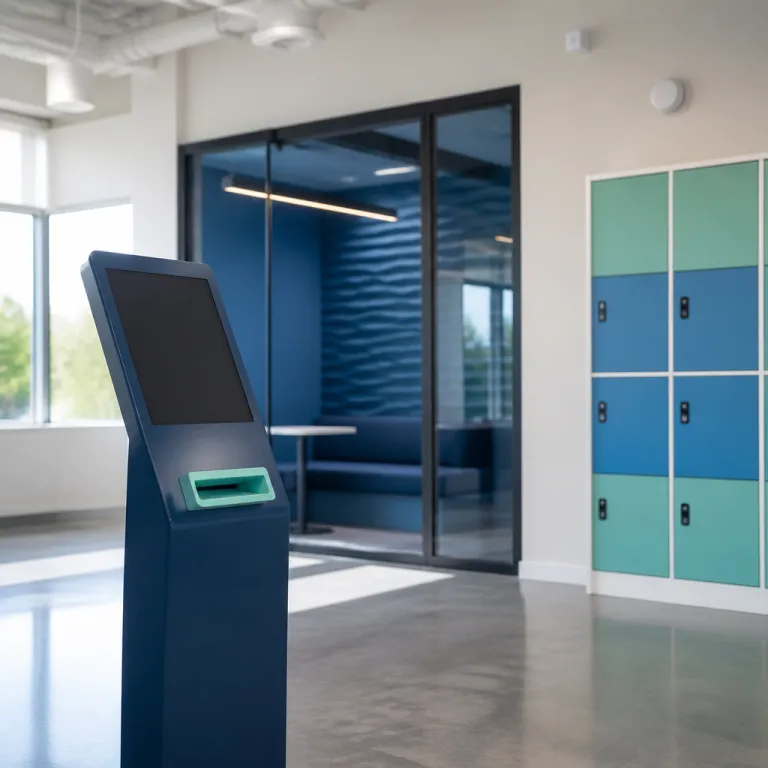
From hiring tech to the truly smart workplace
Hiring technology now sits at the center of every modern workplace strategy. As companies rethink how people work, they increasingly connect recruitment platforms with smart workplace systems that manage office space, access control, and employee experience in real time. This shift turns the office from a static building into a responsive smart building that actively supports employees and teams.
Talent leaders want hiring tools that speak directly with workplace management platforms. When a new employee signs a contract, the system can automatically grant secure access rights, assign office space, and book meeting rooms for onboarding sessions, which saves time and reduces manual errors. The same workplace technology can adapt to hybrid work patterns, so teams always find the right rooms and spaces without wasting productivity on logistics.
For candidates, the hiring process becomes their first smart workplace experience. They might receive visitor management QR codes for secure access to the office, see how meeting room screens show real time availability, and learn how workplace solutions support flexible work. This early exposure to a workplace smart environment signals that the company treats technology as a service, not a barrier, and that the employee experience will remain central after they join.
Future innovations connecting hiring platforms and workplace management
The next wave of hiring tech will integrate deeply with workplace management and space management systems. When recruiters plan headcount, they will see live data about office space capacity, meeting room usage, and smart office occupancy patterns, rather than relying on outdated spreadsheets. This integration will help each company align real estate decisions with actual work needs, avoiding both empty rooms and overcrowded spaces.
Workforce planning will rely on workplace technology that tracks hybrid work attendance in real time. If employees choose remote work several days per week, workplace management tools can automatically resize office space allocations, adjust access control schedules, and optimize security solutions for fewer people in the building. These solutions smart features will also inform long term real estate strategy, guiding whether to expand, consolidate, or redesign office space layouts.
Recruitment teams will benefit from workplace solutions that surface workplace benefit data directly inside hiring dashboards. They will see how different teams use meeting room and office space configurations, which roles thrive in hybrid work models, and where employee experience scores are highest. For a deeper view of how future ready frameworks emerge from this convergence, many leaders now study guidance on a future ready and sustainable hiring tech framework, then connect those principles with their smart workplace roadmap.
Smart office infrastructure as a talent magnet
High demand candidates increasingly judge a workplace by its smart office infrastructure. They expect seamless access control, intuitive visitor management, and meeting rooms that simply work, without technical drama or wasted time. When a smart workplace delivers this level of service, it becomes a visible workplace benefit that strengthens the employer brand.
Forward looking companies now treat workplace technology as part of their compensation narrative. During interviews, hiring managers explain how the smart building reduces commuting stress through flexible access hours, how workplace management tools support hybrid work, and how workplace solutions automate routine tasks so employees can focus on meaningful work. This narrative turns abstract technology into concrete solutions smart enough to improve daily employee experience.
Even niche sectors feel this pressure to modernize their office space and building infrastructure. A facility manager who studies sustainability trends in other industries, such as those outlined in analyses of how golf courses are embracing sustainability, quickly sees parallels with smart workplace investments. Both rely on data driven management of space, real time monitoring, and carefully designed security solutions that protect people while preserving a high quality experience.
Real time data, workplace analytics, and hiring decisions
Recruitment strategies increasingly depend on real time workplace analytics rather than static assumptions. When workplace management and space management platforms feed data into hiring dashboards, leaders can see how many employees actually use specific rooms, which teams prefer hybrid work, and where office space sits underutilized. These insights prevent over hiring for locations where the building already struggles to support existing work patterns.
Smart workplace systems also reveal how different workplace solutions affect productivity and employee experience. If a company upgrades meeting room technology in one office, workplace technology can track whether teams schedule more collaborative work, spend less time searching for rooms, and report higher satisfaction with the service. Over time, this evidence helps justify further investment in smart office features, from advanced access control to integrated visitor management flows.
Hiring leaders can then align job descriptions with the actual workplace smart environment. For roles that rely heavily on collaboration in meeting rooms, they can highlight the quality of the smart building infrastructure and the flexibility of office space layouts. For positions designed around hybrid work, they can emphasize how workplace technology supports remote access, secure connections, and solutions smart enough to keep teams aligned across locations.
Human centric design in the smart workplace era
Technology alone does not create a smart workplace that attracts and retains talent. Human centric design ensures that every workplace solution, from access control to meeting room booking, respects how employees actually work and move through the building. When companies involve employees and teams in the design of workplace management processes, they avoid creating systems that feel like surveillance or unnecessary control.
Thoughtful leaders use workplace technology to remove friction rather than add complexity. They design visitor management flows that welcome candidates gracefully, configure smart office badges that grant the right access at the right time, and shape office space so people can shift between focus work and collaboration without fighting the environment. As one HR director at a global tech firm put it, “If people notice the building more than their work, the workplace design has failed.” This approach turns the building into a quiet partner that supports productivity, rather than a rigid structure that dictates behavior.
As hybrid work becomes standard, employee experience depends on how well workplace solutions bridge physical and digital spaces. A workplace smart enough to synchronize meeting rooms across time zones, manage space management dynamically, and provide real time updates on room availability will keep teams aligned. Over months and years, this consistent reliability becomes a powerful workplace benefit that influences both hiring outcomes and long term retention.
Communication, automation, and the next hiring tech frontier
The frontier of hiring tech now lies in how communication tools interact with smart workplace platforms. Recruiters increasingly use automated messaging to coordinate interviews, share visitor management details, and adjust meeting room bookings without manual back and forth. When these workflows connect directly with workplace management systems, candidates experience a smooth journey from first contact to walking into the office.
One practical example is the use of text based recruitment campaigns that integrate with smart office scheduling. As soon as a candidate confirms a time, the system reserves a meeting room, updates access control permissions, and sends directions to the building, which reduces no shows and confusion. In one mid sized software company, this kind of integrated workflow cut interview no show rates by nearly a third and freed recruiters from hours of calendar coordination each week. For a detailed look at how such messaging strategies enhance recruitment operations, many practitioners examine guidance on enhancing recruitment with text messaging and then extend those ideas into the broader smart workplace context.
Automation will also reshape how companies manage office space and real estate portfolios. When workplace technology tracks real time occupancy, it can trigger alerts to hiring teams about where new employees can be placed, which rooms remain free, and how hybrid work patterns affect long term space management. Over time, these solutions smart enough to learn from data will help each company balance workplace benefit, employee experience, and the financial realities of office space and real estate commitments.
Key statistics shaping smart workplace and hiring tech
- According to CBRE’s 2023 Global Workplace & Occupancy Insights, around half of large companies plan to reduce or redesign their office space, which pushes workplace management and space management tools to the center of real estate decisions.
- Research from JLL’s 2022 Future of Work Survey shows that organizations using advanced workplace technology report productivity gains of up to 10 percent, especially when smart workplace systems optimize meeting rooms and hybrid work patterns.
- A global survey by Microsoft in its 2022 Work Trend Index found that more than 70 percent of employees want flexible or hybrid work options, which forces companies to invest in smart office and smart building solutions that support secure access control and visitor management.
- Data from Accenture’s 2021 report on employee experience indicates that firms with strong employee experience strategies, supported by workplace solutions and real time analytics, are significantly more likely to outperform peers on revenue growth.
FAQ about smart workplace technology and hiring
How does a smart workplace influence recruitment outcomes ?
A smart workplace signals that the company invests in modern workplace technology and values employee experience. Candidates notice seamless visitor management, efficient access control, and well equipped meeting rooms, which together create a professional impression. This environment often becomes a decisive workplace benefit when they compare offers from different employers.
What role does workplace management play in hybrid work ?
Workplace management platforms coordinate office space, meeting rooms, and access schedules for employees who split their time between home and the office. By using real time data, these systems prevent overcrowding, reduce unused rooms, and support flexible work patterns. This balance helps companies maintain productivity while offering hybrid work as a sustainable option.
Why is space management important for hiring tech strategies ?
Space management tools show how office space and meeting room resources are actually used, which informs headcount planning. When hiring teams see that certain buildings or rooms are near capacity, they can adjust recruitment or shift roles to other locations. This alignment avoids costly real estate expansions that do not match real work needs.
How can companies protect security in a smart office environment ?
Companies combine access control systems, visitor management processes, and digital security solutions to protect both people and data. Smart building platforms manage who can enter specific rooms or floors, while workplace technology logs visits and alerts security teams to anomalies. Clear policies and regular audits ensure that these tools support, rather than undermine, employee trust.
What are the main workplace benefits of integrating hiring tech with workplace solutions ?
Integrating hiring tech with workplace solutions automates onboarding, from granting building access to reserving office space and meeting rooms. New employees arrive to a prepared smart workplace where their tools, badges, and schedules already function correctly. This smooth start improves employee experience, accelerates productivity, and reduces the time and effort required from HR and facilities teams.
