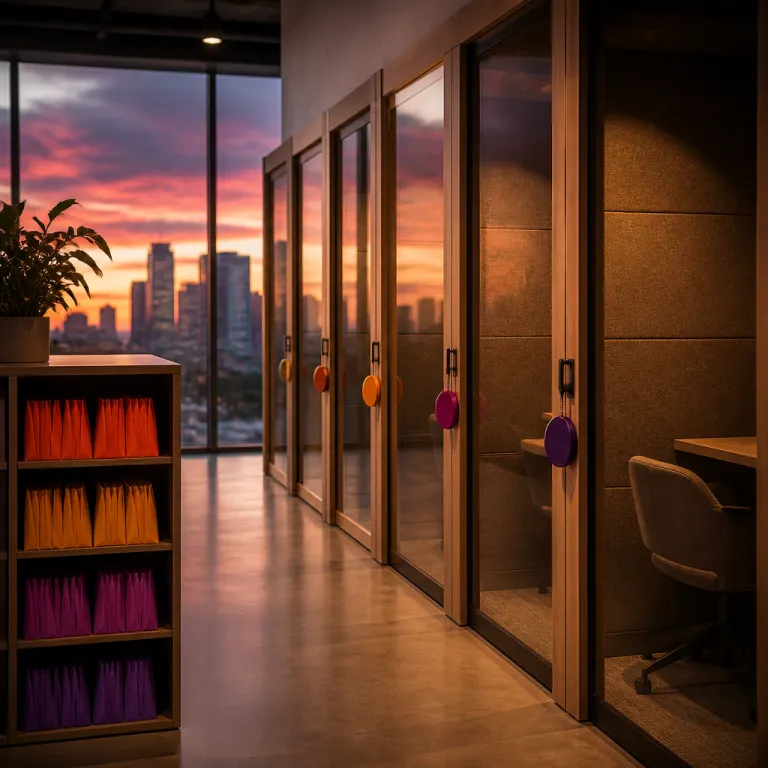
From static offices to adaptive desk reservation ecosystems
Hiring leaders now treat the workplace as a strategic asset. As hybrid workplace models spread across tech, the humble desk and every shared space become variables in a larger optimisation puzzle. Smart desk reservation ecosystems sit at the centre of this shift, turning static offices into responsive workspaces.
Modern desk reservation software connects booking, visitor management, and workplace management into one integrated platform that hiring teams can actually use. Instead of spreadsheets, a booking system links each desk, meeting room, and collaboration space to real time data about occupancy, office experience, and employee preferences. This creates a feedback loop where employees book desks, the system learns from their behaviour, and workplace experience teams refine layouts and policies.
For people seeking information about hiring tech, the key point is simple. Desk booking and broader space management are no longer facilities topics, they are talent topics that influence who joins, who stays, and how well teams perform. When candidates see a seamless mobile desk reservation workflow during interviews, with clear floor plans and instant confirmations, they read it as a signal about culture, tools, and long term flexibility. One global SaaS firm, for example, reported that after rolling out a unified booking app across its hubs, candidate feedback scores on “office experience during interviews” rose by more than 15 % within two quarters.
Why hiring tech now depends on workplace data and booking software
Recruiters once focused almost entirely on sourcing channels and assessment tools. Now they increasingly ask workplace management teams for insights from desk reservation platforms, because those data sets reveal how employees actually use the office. When a booking software solution tracks which desks and collaboration zones are most popular, hiring leaders gain concrete evidence about preferred work styles.
These insights matter when designing roles for a hybrid workplace, especially in competitive tech hubs where office space is expensive and expectations are high. If data from the booking interface shows that engineers rarely reserve desks on Mondays, but product managers fill the workspace midweek, hiring managers can adjust interview schedules and office experience planning accordingly. They can also use desk booking analytics to shape job descriptions that clearly explain how often candidates will book a desk or reserve desks for team rituals.
Forward looking talent teams now partner with IT and facilities to evaluate every new booking system or workplace platform as part of the hiring tech stack. When they schedule a demo of a desk reservation tool, they ask not only about hot desking rules and management space dashboards, but also about integrations with applicant tracking systems and workforce enablement platforms such as those discussed in this analysis of the future of workforce enablement in tech hiring. This cross functional approach turns workplace data into a competitive hiring advantage, as seen at several large European software companies that now include workplace analytics dashboards in quarterly talent reviews.
Future innovations in hybrid workplace platforms and hiring journeys
The next wave of desk reservation innovation will blur lines between hiring tech, office management, and employee experience. Imagine a candidate receiving a mobile booking link with their interview confirmation, allowing them to book desks, navigate the office, and experience the workspace tools before day one. That same booking app could handle visitor management, issue a temporary pass, and surface tailored insights about the team they are meeting.
Vendors are already building booking software that uses real time data from sensors, Wi Fi, and collaboration tools to suggest the best desk or space for each task. For example, a developer might be prompted to book a quiet desk near specific colleagues, while a recruiter could reserve desks in a more social workspace zone on high interview days. Over time, this kind of intelligent workplace management space engine will influence how roles are scoped, how teams are formed, and how performance is measured.
Hiring tech specialists evaluating these platforms should look beyond glossy demos and ask hard questions about APIs, analytics depth, and privacy. When they schedule a demo of a desk booking platform, they need clarity on how the booking system handles hybrid schedules, how easily employees can book desks via mobile app with features like QR based check in, and how office experience metrics feed into broader HR analytics. For a deeper view of how infrastructure level tools reshape recruitment, consider how a test virtualisation server transforms tech hiring processes, then apply similar thinking to workspace and desk reservation infrastructure, including data governance and consent management.
Real time office experience, hot desking, and candidate perception
Hot desking once meant chaotic mornings and frustrated employees. With mature desk reservation platforms, hot desking now becomes a structured, data informed practice that can actually enhance workplace experience for both employees and visitors. When candidates see colleagues calmly book desks through a simple booking interface that shows live availability and nearby amenities, they infer that the organisation values clarity and autonomy.
Real time occupancy data allows workplace management teams to balance hot desking with predictable neighbourhoods, so people can still find their team while enjoying flexibility. A robust booking system can automatically group desks into zones, suggest where to book a desk near project teammates, and prevent overbooking of popular collaboration space. This level of management space sophistication reassures new hires that they will not waste time hunting for a desk or negotiating ad hoc desk booking rules.
From a hiring tech perspective, every touchpoint in the office experience now contributes to employer brand. Recruiters increasingly highlight the hybrid workplace model, the quality of workspace tools, and the ease of desk reservation during interviews and onboarding. When candidates later become employees, their ability to reserve desks, book desks for guests, and use visitor management features through a unified mobile app reinforces the promises made during the hiring process. One North American fintech, for instance, found that new hires who used the desk booking app in their first week were 10 % more likely to rate onboarding as “very smooth” in internal surveys.
Evaluating desk reservation software as part of the hiring tech stack
Choosing desk reservation software is no longer just a facilities procurement decision. Talent leaders should participate in vendor evaluations, because the platform will shape how employees experience the workplace and how candidates perceive organisational maturity. A structured scorecard helps compare booking software options on usability, analytics, integrations, and support.
First, examine how easily employees can book desks, reserve desks, and manage reservations across devices. A strong booking app and mobile app should allow users to book a desk, change a reservation, and view real time space availability in a few taps, ideally with visual floor plans and one click rebooking of favourite spots. Second, assess whether the booking system provides granular data on workspace usage, including peak times, preferred zones, and no show rates, which are critical for space management and cost optimisation.
Third, look at how the platform supports hybrid workplace policies, visitor management workflows, and office experience initiatives. Can recruiters schedule a demo that mirrors a candidate visit, using the same tools employees use daily, and then share those insights with hiring managers? Finally, ensure there is a clear path to contact sales, negotiate terms that protect employee data, and align workplace management metrics with broader HR and hiring KPIs. A practical example is a mid sized software company that implemented a cloud based desk reservation tool, integrated it with its applicant tracking system, and then used automated desk assignments for interview days to cut candidate wait times by roughly 25 % and increase offer acceptance.
Mobile first booking, AI insights, and the next era of hiring tech
As work patterns fragment, mobile first desk reservation becomes essential rather than optional. Employees expect to open a mobile app on the train, book desks near collaborators, and arrive at the office confident that their workspace is ready. This frictionless booking experience quietly supports retention, productivity, and the broader workplace experience.
AI driven booking software is beginning to analyse historical data, calendar events, and team structures to suggest optimal desk booking patterns. For hiring tech, this means the same platform that powers desk reservation and space management can also surface insights about collaboration intensity, cross functional contact, and even early warning signs of disengagement. Used responsibly, these data sets help HR and workplace management teams refine hybrid workplace policies without intrusive monitoring.
Forward leaning organisations now treat the desk reservation platform as a core layer in their digital workplace architecture. They integrate the booking app with identity tools, visitor management systems, and HR platforms, then use those connections to streamline candidate visits and new hire onboarding. To understand how mobile centric tools can reshape hiring processes more broadly, examine this perspective on embracing the future of hiring with mobile solutions, and apply similar principles to every office and workspace touchpoint.
Key statistics on desk reservation, hybrid workplaces, and hiring
- According to CBRE’s “Global Occupier Sentiment Survey” (2022, cbre.com), companies with structured hybrid workplace programmes typically reduce required office space by around 20 %, while maintaining or improving employee satisfaction, which highlights the financial and cultural impact of effective space management. Several large technology firms cited in the report used desk booking data to consolidate floors without reducing collaboration areas.
- A global survey by JLL, “Workforce Preferences Barometer” (2021, jll.com), reported that more than 70 % of employees prefer some form of hybrid work, and organisations that support flexible desk booking and desk reservation models are more likely to attract qualified tech candidates in competitive markets. JLL notes that clear reservation rules and intuitive booking tools are now part of the baseline expectations for digital talent.
- Research from Leesman, summarised in the “Leesman Review” (Issue 33, 2021, leesmanindex.com), shows that workplaces with strong digital tools for booking, visitor management, and workspace navigation score significantly higher on workplace experience indices, which correlates with higher retention and engagement. In one benchmarked portfolio, locations with mature booking software scored more than 10 points higher on perceived productivity.
- Gartner has noted in its report “Market Guide for Workplace Experience Applications” (2022, gartner.com) that by the middle of this decade, a majority of large enterprises will use specialised workplace management platforms, including booking software and desk booking tools, to optimise real time occupancy and support hybrid workplace strategies. Gartner highlights that organisations combining these platforms with HR analytics gain a clearer view of how workspace design affects hiring and performance.
FAQ about desk reservation and hiring tech
How does desk reservation influence the tech hiring process ?
Desk reservation platforms shape how candidates experience the office, from their first visit to their first week as employees. A smooth booking system, clear hot desking rules, and visible real time availability signal operational maturity and respect for people’s time. This directly affects employer brand, offer acceptance rates, and long term retention.
What features should hiring teams look for in desk booking software ?
Hiring teams should prioritise ease of use, strong mobile app support, and reliable visitor management workflows. They also need robust analytics on workspace usage, so workplace management can align hybrid workplace policies with team needs. Integrations with HR and collaboration tools help embed desk booking into daily routines rather than adding friction.
Can desk reservation data help design better hybrid workplace policies ?
Yes, aggregated and anonymised data from desk reservation platforms reveal when and how employees use the office. Workplace management teams can see which days are busiest, which desks or zones are underused, and how often people reserve desks for collaboration versus focus work. These insights support evidence based decisions about office space, schedules, and team rituals.
How does hot desking work in a modern hybrid workplace ?
In a modern hybrid workplace, hot desking is managed through a booking app or booking software that lets employees book desks in advance or on the same day. Real time data prevents overcrowding and ensures that people can still sit near their team when needed. Clear policies, intuitive tools, and transparent communication turn hot desking from a source of stress into a flexible, efficient system.
Why should recruiters care about workplace management and space management tools ?
Recruiters compete not only on salary and role content, but also on workplace experience and office experience. When they can show candidates a coherent ecosystem of desk reservation, visitor management, and hybrid workplace tools, they demonstrate that the organisation invests in modern, human centric infrastructure. This often becomes a decisive factor for tech talent comparing multiple offers.
